Dartmouth Road rubbish collection rules and services
If you live or work on Dartmouth Road and rubbish is starting to pile up, the rules can feel oddly specific. Which bags can go out? What happens if the pavement is narrow? Can you use a skip, or is a grab lorry better? The good news is that Dartmouth Road rubbish collection rules and services are usually straightforward once you understand the basics. This guide breaks everything down in plain English, so you can choose the right option, avoid common mistakes, and keep waste moving without hassle.
Whether you are clearing a flat, handling a renovation, or sorting out garden waste after a busy weekend, the right service makes a real difference. It saves time, reduces stress, and helps you stay on the right side of safety and compliance. Let's face it, nobody wants a missed collection or a skip that turns into a neighbourhood nuisance.
Why Dartmouth Road rubbish collection rules and services Matters
Dartmouth Road rubbish collection rules and services matter because waste is not just a matter of "put it outside and hope for the best". In a busy London setting, small details can create big problems: blocked footways, complaints from neighbours, extra charges, contamination in recycling loads, or even collections being refused altogether. If you are dealing with domestic clear-outs, builders' waste, or bulky items, understanding the rules upfront keeps the whole job calmer.
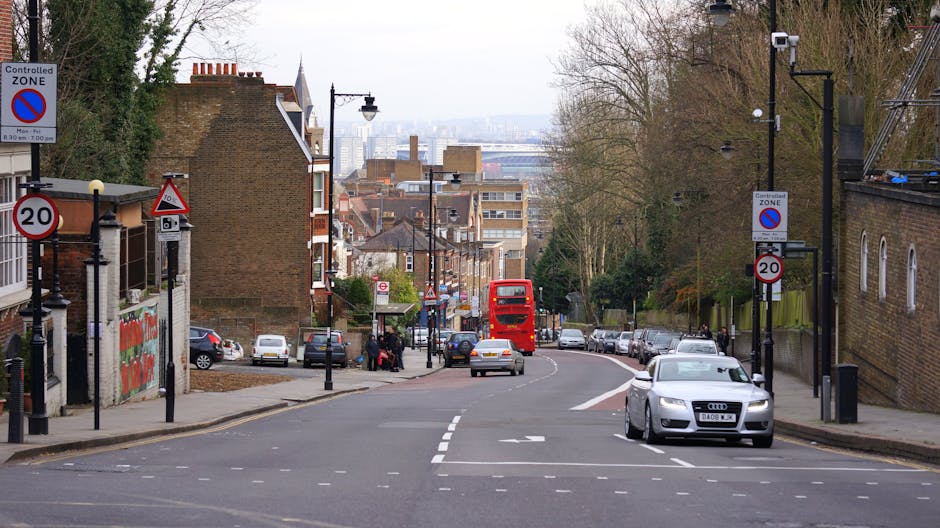
There is also the practical reality of space. Streets like Dartmouth Road often have the usual mix of parked cars, tight access, and people coming and going at odd hours. That changes what is sensible. A large skip may be perfect for one property and a total pain for the next. Sometimes a simpler option such as man and van waste collection or wait and load skip hire is simply the better fit.
Good waste planning also supports recycling. If waste is separated properly, more of it can be diverted from landfill or unnecessary disposal routes. That is not just good practice; it usually makes the whole process cleaner and more efficient. A mixed pile of rubble, cardboard, old furniture, and garden cuttings is where things start to go sideways.
Practical takeaway: the cleaner and better sorted your waste is, the easier it is to collect, move, and recycle. On a tight road, that matters even more.
How Dartmouth Road rubbish collection rules and services Works
In plain terms, rubbish collection on or around Dartmouth Road usually falls into a few broad routes: council-style kerbside collection, private rubbish removal, skip hire, or specialist services for bulky, heavy, or unusual waste. The right choice depends on the volume of waste, the type of waste, and how much access you have at the property.
For example, a small loft clear-out may be fine with a van collection. A kitchen refit may call for a builder's skip or a dedicated construction waste service. A garden overhaul could be handled through a garden waste collection, while an office strip-out might be better suited to office clearance or confidential shredding if documents are involved. Different waste streams, different handling.
Most services work in a simple sequence:
- You identify the waste type and amount.
- You choose the collection method that suits access and timing.
- You book a slot or request a quote.
- The waste is loaded, sorted, and transported for disposal or recycling.
- Any restricted items are handled separately, if accepted at all.
For larger jobs, it helps to think about the site itself. Can a vehicle stop safely? Is there enough room for a skip? Will the load need to be hand-shovelled rather than mechanically lifted? If the answer to any of those is "maybe not", a service like grab lorry hire or grab hire services may be more practical than a traditional skip.
There is a nice simplicity to getting this right. Once the waste type is matched to the right service, most of the stress disappears. Not all of it. But most.
Key Benefits and Practical Advantages
The biggest benefit is obvious: you get the waste gone without turning your day into a logistical mess. But there are a few more gains worth spelling out.
- Cleaner streets and safer access - Properly managed waste reduces trip hazards and keeps frontages usable.
- Less lifting and time pressure - A good collection service saves repeated journeys to a tip or recycling centre.
- Better handling of mixed loads - Separate services can deal with rubble, furniture, soil, appliances, or paperwork.
- More suitable for tight access - Not every property on Dartmouth Road can take the same solution.
- Improved recycling outcomes - Waste sorted properly is easier to process responsibly.
There is also a quieter benefit: peace of mind. If you have ever stood looking at a hallway full of broken shelves and a fridge that no one wants to touch, you know the feeling. Getting the right collection in place can make the whole place feel usable again. That sounds small, but it is not.
For people juggling a refit, end-of-tenancy clean, or house move, a service such as rubbish removal can be the simplest route. For bulkier household items, mattress and sofa disposal or fridge and appliance removal avoids the awkward question of how to move a heavy item downstairs without denting the walls.
Who This Is For and When It Makes Sense
Dartmouth Road rubbish collection rules and services are relevant to a surprisingly wide range of people. Homeowners, tenants, landlords, tradespeople, facilities teams, and small businesses all face the same basic issue: waste builds up faster than expected.
This matters if you are:
- clearing a flat, garage, loft, or spare room
- managing builder's waste after a renovation
- removing garden cuttings, branches, and soil
- sorting office furniture or paper waste
- emptying a property after a move, probate, or tenancy change
- dealing with bulky items that will not fit standard bins
It also makes sense if access is awkward. On a road where parking is tight and neighbours are close by, you may want a service that minimises disruption. In that situation, a smaller vehicle-based collection or same day skip hire can be helpful if the job is urgent. For lighter domestic jobs, domestic skip hire can work well when the space is available and the waste is straightforward.
Commercial users often have a slightly different headache. Waste must be removed quickly, access needs to stay clear, and the business still has to function. That is where commercial skip hire or a scheduled collection can be worth its weight in gold. Quietly efficient. No drama.
Step-by-Step Guidance
If you want to avoid the usual waste-collection muddle, use this practical process.
- Identify the waste type
Start by separating general rubbish from recyclable material, heavy inert waste, bulky items, and anything hazardous. If you are unsure whether something counts as restricted, check the service guidance before booking. It saves hassle later. - Estimate volume honestly
People often under-estimate waste. A pile that looks "not too bad" in a hallway can turn into several loads once sorted. It happens all the time. - Check access and loading space
Measure the narrow bits, not just the open ones. Think about parked cars, door swings, and whether the vehicle can actually stop without causing problems. - Choose the right collection method
For heavy rubble, a builder's skip or builders skip hire may be best. For mixed waste in a hard-to-reach spot, a van or grab lorry can be more practical. For limited time on site, wait and load skip hire is often the neatest solution. - Separate restricted items
Do not bury items you suspect are not accepted. Put them aside. If they need specialist handling, use the right route rather than hoping for the best. - Book with clear details
Be specific about the waste, the address, access, and timing. Vague instructions are the fastest way to a frustrating morning. - Prepare the waste before collection
Bag light rubbish, stack items where safe, and keep the route clear. The cleaner the handover, the smoother the collection. - Confirm disposal expectations
Ask how the waste will be handled and whether anything is excluded. Responsible operators should be able to explain this plainly.
If your project includes demolition debris, a dedicated route like demolition waste removal or construction waste disposal is usually the safer and more efficient choice. You do not want mixed rubble and timber slowing everything down for no good reason.
Expert Tips for Better Results
A few small decisions can make collection day noticeably easier.
1. Sort before you book. It is much easier to quote accurately when the waste is already grouped into categories. Mixed waste is not a problem, but it needs to be declared honestly.
2. Think in layers. The top layer of a waste pile often hides heavier material underneath. That matters for loading and vehicle choice.
3. Use the right container for the right material. Soil, rubble, and hardcore behave differently from furniture or packaging. If you are dealing with site debris, services like builders waste removal or construction waste clearance can be a better fit than a general domestic collection.
4. Protect the space. A driveway, front path, or shared entrance can get messy quickly. Boards or simple covering can help reduce scuffs and spillage. Old-school, maybe, but effective.
5. Keep restricted items separate. Fridges, certain electricals, chemicals, and potentially contaminated material often need special handling. Mixing them in with everything else is where people get stuck.
6. Use enclosed options when privacy matters. For sensitive clearances, enclosed and lockable skip hire can reduce fly-tipping risk and keep contents out of sight.
7. Match the service to the timeline. If the waste must be cleared the same day, say so early. Same-day options exist, but they are always easier to arrange when the request is clear from the start.
And a small one from experience: if you think you are "almost done" sorting the pile, you probably still need ten minutes. Waste has a funny way of breeding when nobody is looking.
Common Mistakes to Avoid
Most collection problems on Dartmouth Road are not dramatic. They are the kind of issues that seem minor until they create a delay or a refusal.
- Overfilling a skip or container - Loads that sit too high can be unsafe and may not be taken.
- Putting prohibited waste in with general rubbish - This is one of the fastest ways to complicate a simple collection.
- Ignoring access restrictions - A service may be booked, but if the vehicle cannot safely reach the property, everything stops there.
- Choosing the wrong waste stream - Garden cuttings are not construction rubble, and waste handling is not guesswork.
- Leaving it to the last minute - That is how you end up paying more for urgency or waiting longer than planned.
- Assuming one solution fits all - It rarely does. A house clearance, for example, may need a mix of house clearance, van collection, and specialist disposal.
One especially common slip is forgetting that bulky household items are not just "rubbish". They often need specific lifting, loading, and disposal arrangements. That matters for mattresses, sofas, and appliances in particular.
Tools, Resources and Recommendations
You do not need fancy tools to manage waste well, but a few simple resources help.
- A tape measure for checking access widths and skip space
- Heavy-duty sacks or boxes for separating lighter waste
- Gloves and sturdy footwear for sorting safely
- A basic room-by-room list if you are clearing a property
- Photos of the waste pile to share when requesting a quote
On the service side, these pages are useful starting points when you are deciding what kind of help you need: skip hire, skip sizes and prices, what can go in a skip, and waste recycling services. If you are trying to keep things secure, review payment and security and the company's health and safety policy too.
For bulky domestic items or furniture, the specialist pages for mattress and sofa disposal and fridge and appliance removal are worth a look. For outdoor clearance, garden waste removal is often the cleanest option.
Law, Compliance, Standards, or Best Practice
Waste handling in the UK sits within a framework of legal duty, safety, and responsible disposal. You do not need to be a compliance expert to book a collection, but you do need to avoid careless disposal. In practice, that means using an appropriate service, declaring hazardous material honestly, and making sure waste is taken to the right facility or recycling route.
For businesses, the bar is usually higher. You are expected to manage waste properly, keep clear records where required, and avoid mixing regulated waste with general refuse. Even for domestic users, the principles are the same: do not conceal hazardous items, do not overload containers, and do not assume everything can go in one pile. Simple, but easy to forget when a room is half-cleared and there is dust in the air.
Special waste needs special handling. If you have chemicals, paints, oils, asbestos-related material, batteries, or contaminated items, do not place them with ordinary waste. Use a service that is set up for hazardous waste disposal. For confidential paperwork, use confidential shredding rather than general collection. For mixed site or trade waste, stick with a service designed for that purpose.
It is also sensible to choose providers who are clear about safety, insurance, and how they manage their work. That is not overcautious; that is just sensible. Especially if the collection involves shared access, public pavement space, or awkward lifting.
Options, Methods, or Comparison Table
If you are unsure which service suits Dartmouth Road best, this comparison can help narrow it down.
| Option | Best for | Main advantage | Possible drawback |
|---|---|---|---|
| Skip hire | Medium to large loads, mixed waste, ongoing projects | Convenient if you have space and time | Needs room and may require a permit in some situations |
| Wait and load | Properties with little storage space | No long-term street footprint | You need the waste ready quickly |
| Grab lorry hire | Heavy, loose, or bulky waste in awkward access areas | Fast loading and less manual shifting | Not ideal for every tiny job |
| Man and van | Smaller clearances and mixed household rubbish | Flexible and simple | May need more than one trip for bigger jobs |
| Specialist removal | Appliances, mattresses, office waste, hazardous items | Handled correctly for the waste type | Not as general-purpose as a skip |
There is no single winner here. The "best" option depends on access, volume, waste type, and how quickly you need it gone. A front garden full of branches is one thing. A hallway packed with broken plasterboard and tiles is another. Same road, different answer.
Case Study or Real-World Example
Imagine a typical Dartmouth Road property where a family is preparing for a kitchen refit. The old cabinets are out, tiles are chipped off the wall, and there is a pile of timber, packaging, and mixed rubble in the front room. At first glance, it looks like a single collection problem. In reality, it is several.
The heavier rubble and tiles are best treated as construction waste. The timber and packaging may be reusable or recyclable depending on condition. The old appliance needs separate removal. If the street access is tight and the family cannot leave a skip outside for long, a wait-and-load arrangement or grab lorry might be the easiest way to clear everything in one controlled visit.
What made the difference in this sort of job was not speed alone. It was preparation. The waste was grouped before collection, the awkward items were set aside, and the access point was checked the night before. That meant less time standing around, less lifting, and fewer "oh no, we forgot that bit" moments. Honestly, that last bit saves headaches more than people think.
For a different example, consider a small office clear-out. The biggest issues are often old paperwork, mixed electronics, and bulky furniture. In that case, office clearance combined with confidential shredding and fridge and appliance removal gives a more controlled result than tipping everything into a general skip.
Practical Checklist
Use this quick checklist before booking a Dartmouth Road rubbish collection service.
- Have I identified the waste type correctly?
- Have I separated hazardous, confidential, or specialist items?
- Do I know roughly how much waste there is?
- Is there clear access for the vehicle or container?
- Have I checked whether a skip or permit-related approach is needed?
- Have I chosen the most suitable service for the job?
- Are bulky items ready for safe loading?
- Have I taken photos in case I need a clearer quote?
- Do I understand what is included and excluded?
- Have I allowed enough time for preparation?
If you can tick most of those off, you are in good shape. If not, pause and tidy the plan a bit. That small delay usually saves a much bigger one later.
Conclusion
Dartmouth Road rubbish collection rules and services are easiest to manage when you match the waste to the right method and stay realistic about access, volume, and timing. The main job is not just getting waste removed. It is getting it removed safely, legally, and with as little disruption as possible.
For some people, that means a skip. For others, it means van collection, grab hire, or a specialist service for bulky, hazardous, or confidential items. If you take the time to sort the waste properly and choose the right route, the rest becomes much smoother. Less noise, less mess, less back-and-forth.
Get a free quote today and see how much you can save.
And if you are still weighing up the options, start with the simplest question: what needs to go, and how quickly? The answer to that usually points you in the right direction.
Frequently Asked Questions
What are the main Dartmouth Road rubbish collection rules and services residents need to know?
The main points are to choose the right waste service for the material you have, avoid putting restricted items in general waste, and make sure access is safe for collection. For mixed or bulky waste, a skip, grab lorry, or van collection may be more suitable than standard disposal.
Do I need a skip permit for Dartmouth Road rubbish collection?
That depends on where the skip will sit. If it is placed on private property with enough space, a permit may not be needed. If it goes on the public highway, a permit issue may arise. It is always best to check the situation before booking rather than guessing.
What rubbish can go in a skip?
Many general household and construction waste items can go in a skip, but not everything. Restricted items often include hazardous materials, certain electricals, and some specialist waste. A quick check against the acceptable waste guidance is always wise before loading.
Which is better on Dartmouth Road: skip hire or rubbish removal?
It depends on the job. Skip hire works well for bigger projects where you can load waste over time. Rubbish removal is often better for quicker clearances, awkward access, or mixed household items. If space is tight, rubbish removal can be the easier route.
Can bulky items like sofas and mattresses be collected separately?
Yes. In many cases, it is better to use dedicated bulky-item services rather than trying to force everything into one general collection. Sofa and mattress disposal services are designed for exactly that kind of load.
What should I do with fridges, freezers, or appliances?
Appliances should be treated carefully because they may need specialist handling. A dedicated fridge and appliance removal service is usually the safest and most practical option. Do not leave them mixed in with ordinary waste without checking first.
Is same-day collection available on Dartmouth Road?
Sometimes, yes. Same-day options can be useful if a property needs clearing quickly or if waste is blocking access. Availability depends on timing, location, and the type of waste, so the earlier you ask, the better.
What if I only have a small amount of rubbish?
For smaller amounts, a man and van style collection can be more cost-effective and less disruptive than a full skip. It is especially helpful when you do not want a container sitting outside for days.
Can construction and builder's waste be taken away from Dartmouth Road properties?
Yes, but it should go through a proper builders' or construction waste service. Heavy rubble, timber, plasterboard, and mixed site waste often need a more specific collection method than ordinary household rubbish.
How do I know if waste is hazardous?
If it includes chemicals, oils, certain paints, contaminated items, or anything that could create a risk to people or the environment, treat it as hazardous until confirmed otherwise. When in doubt, separate it and ask for the correct disposal route.
What happens if my waste is mixed and messy?
Mixed waste can usually still be collected, but it may affect the most suitable service and the handling requirements. The cleaner and more sorted the waste is, the easier and often the more efficient the collection will be.
How can I compare the different services before booking?
Start with the waste type, then check access, timing, and volume. A skip is good for ongoing loading, a grab lorry works well for heavy loose waste, and a van collection suits smaller or more awkward clearances. If needed, review skip sizes and prices and related service pages to narrow it down.
What is the safest way to prepare for rubbish collection?
Separate waste types, keep paths clear, move anything fragile out of the way, and make sure nobody has to scramble around at the last minute. A little preparation goes a long way, especially on a busy road with limited space.
Where can I learn more about responsible waste handling?
You can review the company's recycling and sustainability approach, as well as its health and safety and insurance information, to understand how waste is handled and what standards are followed. That gives you a better sense of what to expect before booking.
Get a free quote today and see how much you can save.