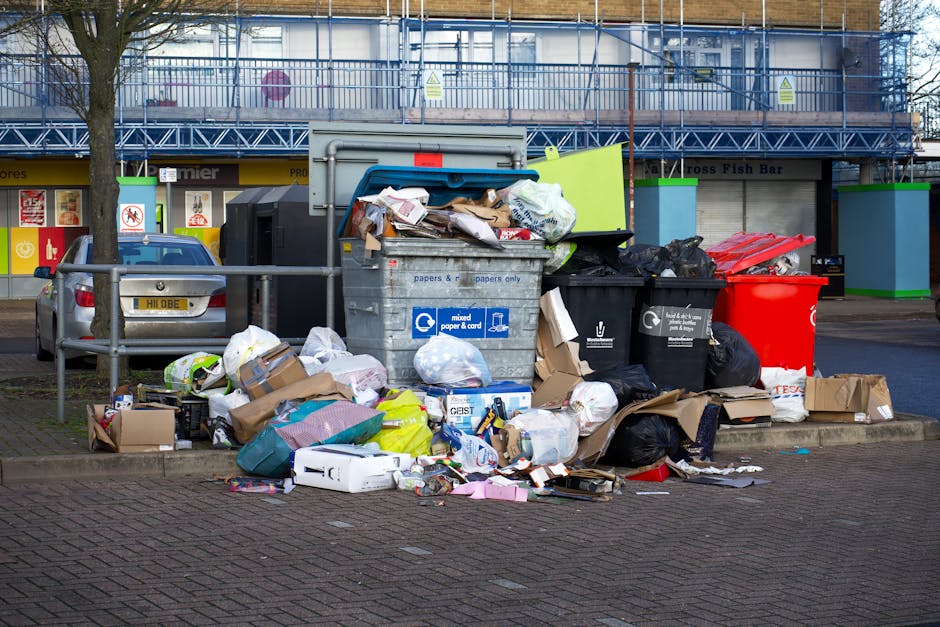
Forest Hill Horniman Museum rubbish removal guide SE23

If you are planning a clear-out near the Horniman Museum, a home declutter in Forest Hill, or a small project that has left you staring at a pile of old furniture, broken bags, or renovation waste, this guide is for you. A good Forest Hill Horniman Museum rubbish removal guide SE23 should make the whole process feel less messy, less stressful, and a lot more manageable. Truth be told, waste always seems to grow faster than you expect. One minute it is a few boxes by the hall, the next it is taking over the spare room.
This article walks you through the practical side of rubbish removal in SE23: what the service usually involves, when a skip makes sense, when a man-and-van collection is easier, what to avoid putting out, and how to keep things compliant and tidy. You will also find a checklist, a comparison table, and a few local-useful pointers so you can choose the right method without guessing.
Why Forest Hill Horniman Museum rubbish removal guide SE23 matters
Forest Hill and the wider SE23 area bring together period homes, flats, busy high streets, small businesses, and the kind of everyday projects that create awkward waste in awkward places. Near the Horniman Museum, that can mean anything from household clutter and garden cuttings to shop fittings, office clear-outs, or builders' debris after a refurbishment. The issue is rarely just "how do I get rid of it?" It is more often "how do I remove it without making a nuisance, wasting time, or choosing the wrong disposal method?"
That matters because rubbish removal is not only about getting things out of sight. It affects access, safety, appearance, and sometimes even whether a project can keep moving. If waste sits in a front garden, side return, driveway, or loading space for too long, it can become a trip hazard or simply get in the way. In busy residential pockets, a neat, quick collection can make all the difference. In a tighter street, the wrong setup can be a headache. And nobody wants that at 8am on a damp weekday, with neighbours trying to leave and a pile of old plasterboard blocking the path.
The Horniman area also attracts mixed uses, so the waste you need to remove may not fit one neat category. A family clearing a loft will need a very different approach from a cafe replacing fixtures or a builder finishing a bathroom refit. The point of a proper local guide is to help you match the waste to the right method first time.
For readers comparing wider service options, it can help to look at related support pages such as rubbish removal, domestic skip hire, and skip hire before deciding how you want the job handled.
How Forest Hill Horniman Museum rubbish removal guide SE23 works
At its simplest, rubbish removal means collecting unwanted items or waste from your property and taking them away for sorting, recycling, or disposal. In SE23, the process usually starts with identifying what type of waste you have and how much of it there is. That sounds obvious, but it is where many people misjudge things. A single wardrobe is not the same as a full room clearance, and a bag of garden clippings is not the same as a mixed load of old shelves, packaging, and broken tiles.
Most jobs fall into one of a few familiar patterns:
- Household clear-outs such as furniture, black bags, loft items, or general clutter.
- Garden waste including branches, soil, turf, hedge trimmings, and planters.
- Trade and renovation waste such as bricks, timber, tiles, plaster, and packaging.
- Commercial waste from offices, shops, studios, or hospitality premises.
- Bulky specialist items like fridges, mattresses, sofas, and appliances.
From there, the practical method depends on access, timing, volume, and the sort of waste involved. Some loads are best handled by a van team that lifts, loads, and clears the space in one visit. Other jobs suit a skip placed nearby for several days. If access is tight or you need waste cleared from a site with no room to leave a container, a wait-and-load or grab service can be the neatest solution. That is especially useful where parking is awkward, the road is busy, or you simply do not want a skip sat outside longer than necessary.
For mixed or heavier loads, useful supporting pages include man and van, wait and load skip hire, and grab hire services. Each has a different fit, which is why a quick decision based on access and waste type usually works better than simply choosing the cheapest-looking option.
One small but important detail: if the waste includes restricted items, you cannot just mix everything together and hope for the best. Electricals, fridges, paint, chemicals, and other hazardous materials need special handling. More on that later.
Key benefits and practical advantages
Good rubbish removal is not just about convenience, although that is a big part of it. It also keeps a project moving and reduces the small problems that snowball into bigger ones. A clear space is easier to work in, easier to clean, and less likely to cause arguments with neighbours or building management.
Some of the main benefits are straightforward:
- Speed - a load can be cleared quickly rather than sitting around in stages.
- Less manual effort - no need to hire a vehicle, load it yourself, and then work out where to take the waste.
- Cleaner presentation - especially useful for landlords, agents, businesses, and anyone preparing a property for sale or let.
- Better sorting - a professional approach makes recycling and responsible disposal easier.
- Lower stress - not glamorous, but real. You stop thinking about the pile every time you walk past it.
There is also a subtle benefit that people often overlook: clarity. When waste is removed in a structured way, you know what happened to it and what was taken where. That can be reassuring for householders and especially for commercial clients who need a tidy paper trail or a consistent way of managing repeat clearances.
If your main priority is recycling and reducing landfill where possible, it is worth reading more about waste recycling services and recycling and sustainability. They help explain the broader end point of the process, not just the collection itself.
Who this is for and when it makes sense
This sort of local rubbish removal guide is relevant to a wider range of people than you might think. Yes, it is useful for homeowners. But it also helps landlords, tenants, shop owners, tradespeople, office managers, and anyone else in SE23 who has a messy job to deal with and not enough time to do it alone.
It tends to make sense when:
- You have more waste than will fit in your regular bins.
- You need something removed quickly, before decorators, movers, or contractors arrive.
- You are clearing a property after a tenancy, sale, or refurbishment.
- You do not have suitable parking or storage space for a skip.
- Your waste is bulky, mixed, or awkward to transport yourself.
- You want to avoid making multiple trips to a waste site.
A typical example would be a Forest Hill resident near the museum who is finally sorting a loft after years of "I'll deal with that later." Boxes, an old table, broken lamps, a bag of offcuts, and three mystery items that nobody remembers buying. Another example: a small business fitting out new shelving and needing packaging, timber, and old display pieces cleared before opening day. Both need rubbish gone, but the timing and method may be completely different.
For larger jobs, you may also need to think beyond simple collection and look at house clearance, garage and loft clearance, or office clearance. Those services are often more suitable when the waste is spread across several rooms or comes from a complete reset rather than a one-off load.
Step-by-step guidance
Here is the most practical way to approach rubbish removal near the Horniman Museum area without overcomplicating it. It is not magic. Just sensible planning.
- Sort the waste into broad groups. Keep general rubbish, bulky items, recyclable material, garden waste, and anything hazardous separate if you can. Even a rough split helps.
- Check access. Can a van stop close to the property? Is there a driveway, front space, or loading access? If not, a skip may be less convenient than you think.
- Estimate volume honestly. A common mistake is underestimating by half. If it looks like "just a few bits," it often turns into a much fuller load once everything comes out of cupboards and corners.
- Identify restricted items. Appliances, mattresses, fridges, solvents, plasterboard, and electrical waste may need separate handling.
- Choose the method that matches the job. A domestic clearance, wait-and-load collection, skip, or grab lorry service each solves a different problem.
- Plan timing around neighbours and traffic. In a busy part of SE23, early morning or midweek slots can be easier than a last-minute scramble.
- Prepare the site. Move the items you definitely want removed into one place if possible. It saves time and lowers the chance of mistakes.
- Confirm what happens after collection. Reuse, recycling, and compliant disposal should all be part of the picture.
For people who want to compare packaging of the job rather than the waste itself, skip sizes and prices is a sensible page to review before booking. It helps you think in terms of capacity, which is where a lot of planning either succeeds or goes sideways.
And if you need something out the same day because a clearance deadline has moved suddenly, same day skip hire can be worth checking as part of the decision process. Not every job can wait. Sometimes it really can't.
Expert tips for better results
After enough clear-outs, a few patterns become very obvious. Small decisions made early usually save the most time later.
- Photograph the load before you book. A couple of clear pictures often tell the story better than a long explanation.
- Break down bulky items if safe. Flat-pack timber, dismantled shelving, or empty boxes take up far less room than whole units.
- Keep heavy and light waste separate. It is easier to manage, and sometimes more cost-effective too.
- Don't wait until the bin bags are bursting. In damp weather, mixed waste can become heavier, smellier, and more awkward to handle.
- Ask about restricted materials early. It avoids that awkward moment where the collection arrives and half the pile cannot go.
- Think about where waste is stored overnight. A tidy, covered, and safe area is less attractive to pests and less annoying to passers-by.
One practical tip from everyday jobs: if you are clearing a room, work from the top down and from the back of the room out. It sounds almost too simple, but it stops you boxing yourself in. Also, keep one "decision pile" for things you are not sure about. Don't let maybe-items ruin the rhythm.
If security matters because you are dealing with documents, records, or anything personal, confidential shredding is worth considering alongside the main clearance. It keeps sensitive material separate from the rest of the waste stream, which is just cleaner all round.
Common mistakes to avoid
The biggest mistake is assuming all rubbish removal options are interchangeable. They are not. A skip is useful, but not always if access is poor or the waste needs constant loading supervision. A van collection is handy, but not ideal for every heavy or ongoing job. Choosing the wrong method tends to cost more in time than money, and time is often the bit people don't have.
Other common errors include:
- Mixing hazardous waste with general rubbish. That creates risk and may stop the load being accepted.
- Not checking what can go in the container or vehicle. One wrong item can create delays.
- Leaving it too late to book. Particularly around weekends or busy moving periods.
- Guessing the size needed. Under-sizing is extremely common. It is also annoying. Properly annoying.
- Ignoring access problems. A narrow road, low wall, awkward gate, or parking restrictions can change everything.
- Forgetting about lifting safety. Heavy sofas and white goods are no joke when you are working in narrow hallways.
For large, messy, or trade-heavy projects, it is worth looking at builders waste removal, construction waste disposal, or site clearance instead of treating the job like a domestic tidy-up. That little switch in mindset can make the whole thing much smoother.
Tools, resources and recommendations
You do not need a mountain of gear to organise a good clearance, but a few simple tools make the process easier. A tape measure, bin bags, gloves, a marker pen, and a phone camera are often enough to get started. If the job is bigger, a trolley or sack truck can help, though it is not always practical in tighter Forest Hill homes with stairs and narrow corridors.
Useful resources on the site include:
- what can go in a skip for basic load planning.
- skip hire permits if a skip might need to be placed on a public road.
- fridge and appliance removal for bulky electrical items.
- mattress and sofa disposal for large household pieces.
- pricing and quotes if you want a clearer idea before booking.
- book online for a straightforward next step when you are ready.
In a very ordinary real-world sense, these pages help you plan around the messy bits: access, item type, capacity, and timing. Nothing fancy. Just the stuff that stops a job from becoming a headache.
For readers comparing broader clearance support, domestic skip hire and wait and load skip hire are also useful reference points. Different needs, different solutions. Simple as that.
Law, compliance, standards, or best practice
Rubbish removal in the UK is not something to treat casually, especially if the waste includes commercial material, appliances, or anything that could be classed as hazardous. The safe approach is to make sure waste is handled by an operator that understands segregation, transfer, transport, and disposal responsibilities. You do not need to become a legal expert yourself, but you should expect the process to be handled properly.
Good practice usually means:
- keeping hazardous items separate from general waste;
- using appropriate lifting and loading methods;
- disposing of recyclable material responsibly where possible;
- avoiding fly-tipping at all costs;
- making sure documents and personal information are treated securely;
- choosing a provider that follows sensible health and safety procedures.
If your clearance includes materials that could be dangerous or regulated, have a proper look at hazardous waste disposal and the company's health and safety policy. If you want extra reassurance about operational standards and responsibility, the insurance and safety page is also worth a read.
Best practice in a local setting is often very practical. Keep the pathway clear. Keep waste sorted. Avoid overflow. Respect neighbours. Do not block pavements or shared access. It sounds obvious, but those little things are what make a collection feel professional rather than clumsy.
Options, methods, or comparison table
The right waste removal method depends on what you have, where you are, and how quickly you need it gone. Here is a simple comparison to make the choice easier.
| Method | Best for | Strengths | Potential drawbacks |
|---|---|---|---|
| Man and van | Mixed household waste, bulky items, smaller clearances | Fast, flexible, minimal setup | Less suitable for ongoing loads or very large volumes |
| Skip hire | Renovations, declutters, garden and building waste | Good capacity, easy if you are loading over time | Needs space, may require a permit if on-road |
| Wait and load | Busy streets, short access windows, no room for a skip | No skip left behind, quick turnaround | You need to load efficiently during the visit |
| Grab hire | Heavier waste, rubble, soil, mixed bulky loads | Handles large volumes well, useful on tougher jobs | Needs suitable access for the vehicle |
| Specialist removal | Appliances, mattresses, confidential waste, specific items | Safer handling of awkward items | May need separate booking or sorting |
To be fair, most people do not need to become experts in the differences. They just need to match the job to the method that creates the least friction. If you are unsure, start with the access question. That usually narrows it down very quickly.
Case study or real-world example
Here is a realistic example from the kind of job that comes up all the time in SE23. A homeowner near Horniman Gardens decides to clear a spare room before a family visit. The room contains an old mattress, a broken desk, a few shelves, some bags of books, a fan heater, and a pile of mixed junk that has been moved from room to room for months. Nothing dramatic. Just enough to be awkward.
At first glance, it looks like it could all go in one big pile. But once sorted, the mattress and furniture need their own handling, the electrical item should not be mixed with random waste, and the books and cardboard could be separated more efficiently. The house also has a narrow front path and limited parking. A skip outside would not be ideal. A van-based collection, or possibly a wait-and-load approach, becomes the cleaner choice.
The result is simple: the room is cleared in one visit, the hallway is not blocked for days, and the homeowner can paint and decorate without navigating around chaos. Not glamorous, but very satisfying. You know that feeling when a room suddenly looks twice as big? That. Exactly that.
If the load had been larger or more construction-heavy, the better option might have been builders skip hire or construction waste clearance. The important part is not the label. It is choosing the route that fits the actual mess in front of you.
Practical checklist
Use this checklist before arranging collection. It saves time, and honestly, it stops a lot of the usual back-and-forth.
- Have you sorted waste into broad groups?
- Do you know whether any items are hazardous, electrical, or restricted?
- Have you measured or estimated the volume honestly?
- Is access clear for a van, skip, or grab vehicle?
- Have you checked whether a permit might be needed for on-road placement?
- Are there bulky items that should be dismantled first?
- Have you set aside confidential papers or sensitive material?
- Do you know whether you need same-day help or can schedule ahead?
- Have you compared the best method for your space and waste type?
- Do you know what happens to the waste after collection?
If you can tick most of those boxes, you are already ahead of the game. Really. A little planning goes a long way.
Get a free quote today and see how much you can save.
Conclusion
Forest Hill Horniman Museum rubbish removal guide SE23 is really about making a practical decision with as little hassle as possible. Once you know the waste type, the access situation, and the speed you need, the right solution becomes much clearer. For some people that means a skip. For others it means a van collection, grab hire, or a specialist removal service. The best option is usually the one that fits the space, the schedule, and the load rather than the one that sounds easiest on paper.
What matters most is keeping the job safe, tidy, and properly handled from start to finish. If you do that, the whole thing feels less like a chore and more like a reset. And sometimes, after a cluttered room or a messy refurbishment, that reset is exactly what you need.
When you are ready, take the next step calmly and choose the method that makes your life easier, not harder. A clear space has a funny way of clearing your head too.
Frequently Asked Questions
What is the best rubbish removal option near Horniman Museum in SE23?
The best option depends on access, volume, and waste type. For bulky household items, a van collection may be simplest. For ongoing DIY or renovation waste, a skip or grab service may work better.
Can I use skip hire for a small clear-out in Forest Hill?
Yes, but it is not always the most efficient choice. If you only have a small amount of waste, a shorter collection method may be better value and easier to manage.
Do I need a permit for a skip in SE23?
If the skip will sit on a public road, a permit may be needed. If it is fully on private land, a permit is usually less likely to be required. It is worth checking the details before booking.
What cannot go in general rubbish removal?
Hazardous materials, some electrical items, chemicals, and certain bulky items may need separate handling. Always check before mixing everything into one load.
Is same-day rubbish removal available?
Sometimes, yes. If you need something moved quickly because of a deadline, short notice collection or same-day arrangements may be possible depending on availability and access.
What is the difference between man and van and wait and load?
Man and van usually means the team loads waste from your property or a nearby point. Wait and load means the vehicle waits while you load waste directly into it within a short time window.
How do I know whether I need a skip or grab hire?
Grab hire is often better for heavy or loose materials like soil, rubble, or mixed bulky waste where access is suitable. A skip may suit ongoing loading and mixed lighter waste.
Can furniture and appliances be removed together?
Often yes, but appliances may need separate handling depending on what they are. Fridges, for example, are usually treated differently from regular furniture.
What happens to the rubbish after collection?
It is usually sorted for reuse, recycling, and disposal. The exact route depends on the type of material and how it is processed by the waste handler.
How can I keep the cost down?
Sort waste before collection, separate restricted items, estimate volume properly, and choose the most suitable method for your access. The less rehandling needed, the better.
Is rubbish removal suitable for landlords and businesses too?
Absolutely. It is often very useful for tenancy changes, office clear-outs, retail refits, and routine commercial waste jobs that need to be handled quickly and cleanly.
How should I dispose of confidential papers?
Keep them separate and use a dedicated confidential shredding option rather than mixing them with general waste. That is the safer, tidier approach.
If you want to understand the company behind the service, you can also review about us, contact us, and payment and security for a fuller picture of how enquiries and bookings are handled.